You Gotta See These Hidden Art Spots in San Juan
If you think San Juan is just about old forts and beach views, think again. I was blown away by how much vibrant art hides in plain sight across the city. From colorful murals in Santurce to intimate galleries in Old San Juan, the creative energy here is real. This isn’t just sightseeing—it’s a backstage pass to Puerto Rico’s soul. Let me show you the spots that made my trip unforgettable. San Juan has long been celebrated for its colonial charm and Caribbean rhythms, but beneath the surface beats a dynamic artistic pulse that’s reshaping how visitors connect with the island. These aren’t tourist traps or cookie-cutter exhibits—they’re living expressions of identity, resilience, and community. Whether you’re an art lover or simply curious, stepping into these spaces offers a richer, more authentic experience of Puerto Rico’s capital.
The Art Pulse of San Juan: More Than Just a Pretty Facade
San Juan’s art scene has evolved far beyond decorative aesthetics. Once dominated by colonial architecture and seaside postcard views, the city now thrives as a cultural incubator where local voices find bold expression through paint, sculpture, and performance. What was once considered background scenery has become central to the city’s identity. Art spaces—both formal and informal—serve as gathering points for dialogue, healing, and celebration, especially in the wake of natural disasters and economic shifts. These creative hubs offer residents and visitors alike a way to process collective experiences while showcasing the island’s enduring spirit.
What makes San Juan’s artistic transformation so powerful is its authenticity. Unlike cities where art is curated solely for commercial appeal, here it emerges organically from neighborhoods, families, and grassroots movements. Murals often reflect social themes such as environmental stewardship, cultural pride, or historical remembrance. Sculptures tucked into courtyards or plazas honor ancestral traditions and indigenous roots. Even temporary installations carry deep meaning, responding to current events or community needs. This connection between art and lived experience turns every viewing into something more than observation—it becomes participation in a shared narrative.
Moreover, these spaces are increasingly recognized as vital to urban revitalization. In areas once overlooked or under-resourced, murals have sparked renewed interest, drawn foot traffic, and inspired small business growth. Local governments and nonprofit organizations now partner with artists to transform vacant lots, abandoned buildings, and public walls into vibrant canvases. These efforts do more than beautify—they build pride, foster safety, and create opportunities for youth engagement. For travelers, this means encountering art that isn’t staged for cameras but rooted in real life, offering a truer picture of San Juan’s evolving soul.
Santurce: Where the Street Art Revolution Lives
If there’s one neighborhood that captures the electric heartbeat of San Juan’s art movement, it’s Santurce. Once known primarily as a bustling commercial district, Santurce has undergone a stunning renaissance driven largely by its thriving street art culture. Blocks that were once marked by fading facades now burst with color, storytelling, and symbolism. Walking through Santurce feels like flipping through the pages of an open-air visual diary—one filled with emotion, humor, resistance, and hope. The transformation didn’t happen overnight, but through the persistent work of local collectives, independent artists, and community advocates.
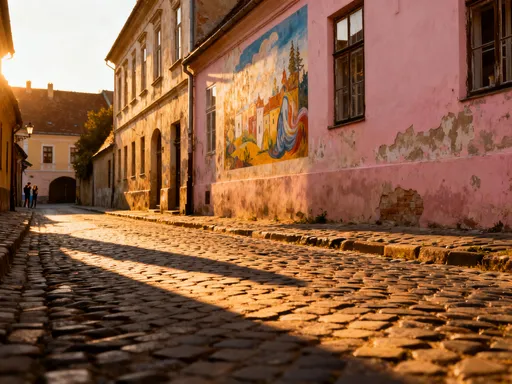
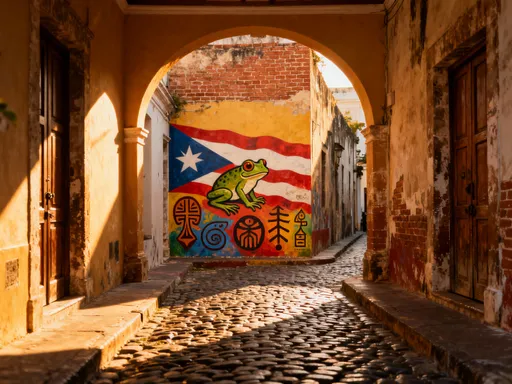
The heart of this revolution lies in the proliferation of large-scale murals painted on building exteriors, alleyways, and even utility boxes. These aren’t random graffiti tags—they’re carefully planned works created by both Puerto Rican artists and international guests invited through collaborative projects. Themes vary widely: some murals celebrate Afro-Caribbean heritage, others depict mythological figures inspired by Taíno traditions, while still others address contemporary issues like climate change or migration. Each piece invites contemplation, often blending realism with surreal elements to create dreamlike yet grounded imagery. What stands out most is the sense of ownership—residents visibly take pride in these works, often watering nearby plants or gently discouraging vandalism.
For visitors, the best way to experience Santurce’s art is on foot, ideally during daylight hours when colors pop under the tropical sun. One recommended route begins at the intersection of Calle Cerra and Calle Loíza, where murals stretch across multiple blocks in a continuous visual journey. Along the way, you’ll pass studios with open doors, pop-up exhibitions in converted garages, and cafés adorned with painted walls. Local guides occasionally lead walking tours, offering insights into the symbolism behind specific pieces and introducing travelers to artists when available. Even without a guide, signage at certain locations provides context in both Spanish and English, making the experience accessible to all.
A major catalyst for Santurce’s artistic rise has been the annual festival Santurce es Ley. Launched as a one-weekend event, it has grown into a highly anticipated cultural showcase featuring live painting, music performances, dance, and food trucks. During the festival, entire streets close to traffic, turning the neighborhood into a pedestrian playground of creativity. Artists paint in real time, allowing spectators to witness the evolution of a mural from sketch to finished masterpiece. While the main event draws large crowds, its impact lasts year-round—many of the murals created during past festivals still stand as permanent landmarks. Travelers lucky enough to visit during this time gain a front-row seat to the living, breathing nature of San Juan’s art scene.
Old San Juan’s Hidden Galleries: Charm Behind the Cobblestones
While Santurce pulses with bold, outward-facing art, Old San Juan offers a more intimate encounter with creativity. Nestled within its centuries-old buildings, beneath arched doorways and behind iron gates, lie small galleries that preserve tradition while embracing innovation. These spaces may lack the scale of major museums, but they make up for it in authenticity and warmth. Many are run by local artists or family collectives who welcome visitors not as customers, but as fellow appreciators of culture. Stepping inside feels less like entering an institution and more like being invited into someone’s personal world of inspiration.
One of the joys of exploring Old San Juan’s gallery scene is the element of discovery. Unlike centralized art districts, these venues are scattered throughout the historic zone, often tucked between souvenir shops and cafés. A narrow staircase might lead to a second-floor studio where a painter works on seascapes infused with spiritual symbolism. A quiet courtyard could house a sculptor shaping driftwood into abstract forms. Some galleries specialize in traditional crafts—hand-carved santos (religious figures), woven textiles, or ceramic pottery—while others feature modern interpretations of Puerto Rican identity. What unites them is a deep respect for heritage and a desire to keep creative traditions alive.
For travelers, visiting these spaces offers a chance to engage meaningfully with local artists. Many owners are present during opening hours and happy to share the stories behind their work. Conversations often touch on influences—from childhood memories in rural towns to the emotional impact of Hurricane Maria. These personal connections transform a simple viewing into a memorable exchange. To get the most out of your visit, go early in the day when galleries first open, typically between 10 a.m. and 6 p.m. Most are closed on Mondays, so plan accordingly. Comfortable shoes are essential, given the uneven cobblestone streets, and carrying a small notebook can help you remember which pieces resonated most.
Respect plays a crucial role in these intimate settings. Photography is usually permitted, but it’s courteous to ask before taking pictures, especially if the artist is present. Purchasing a small piece—not necessarily the most expensive—is a beautiful way to support the creative community directly. Even if you don’t buy, leaving a kind word or signing the guestbook can mean a great deal. These galleries operate on passion more than profit, and knowing their work is seen and valued strengthens their mission. In this way, your visit becomes part of the artistic ecosystem, helping sustain a culture that might otherwise be overshadowed by mass tourism.
Museums That Matter: From Colonial History to Modern Vision
While street art and hidden galleries offer spontaneous encounters with creativity, San Juan’s museums provide structured spaces for deeper understanding. Among the most significant is the Museo de Arte de Puerto Rico in Santurce, a beautifully restored former hospital that now serves as a premier institution for visual culture. Its collection spans centuries, from 17th-century religious paintings to contemporary multimedia installations. What sets it apart is its commitment to telling a full story—not just of artistic development, but of Puerto Rico’s social and political journey. Exhibits often contextualize artworks within historical moments, helping visitors grasp how art both reflects and shapes national identity.
The museum’s layout is thoughtfully designed, guiding guests through chronological and thematic pathways. Natural light floods the central atrium, enhancing the viewing experience without overpowering delicate pieces. Interpretive panels are available in both Spanish and English, and audio guides offer additional depth for those seeking more background. Periodic guided tours, led by trained docents, provide expert insight and answer questions in real time. Families will appreciate the interactive zones, where children can engage in drawing exercises or explore tactile reproductions of famous works. Temporary exhibitions bring in international artists and foster cross-cultural dialogue, ensuring the museum remains dynamic rather than static.
Another essential stop is the Instituto de Cultura Puertorriqueña, located in Old San Juan. Housed in a striking neoclassical building, it functions as both a cultural archive and exhibition space. Here, you’ll find rotating displays of folk art, musical instruments, and historical documents that illuminate everyday life across the island’s regions. Unlike encyclopedic museums, this one emphasizes accessibility and emotional resonance. You might see a display of vejigante masks used in festivals, each hand-painted with unique patterns, or a collection of handwritten letters from independence advocates. These objects aren’t presented as relics, but as living links to ongoing traditions.
For those interested in architecture and urban history, the Museo Casa Blanca offers a different kind of artistic appreciation. Once home to Juan Ponce de León’s family, the house itself is a work of art, with original tilework, carved wood beams, and lush gardens. While not a traditional art museum, its preservation showcases craftsmanship as an art form. Staff members often demonstrate traditional techniques like tile-making or furniture restoration, bridging past and present. These museums, though varied in focus, share a common goal: to educate with dignity, inspire with beauty, and honor Puerto Rico’s complex legacy. Visiting them adds intellectual depth to the sensory richness found elsewhere in the city.
Art Markets and Pop-Ups: When Creativity Goes Mobile
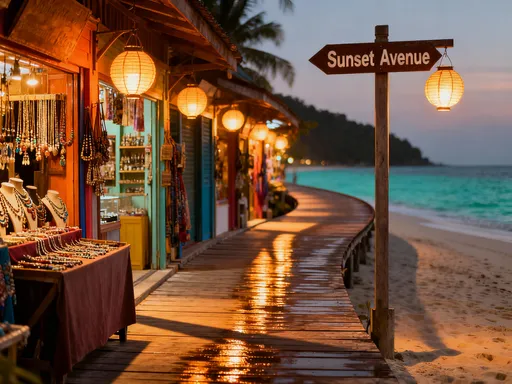
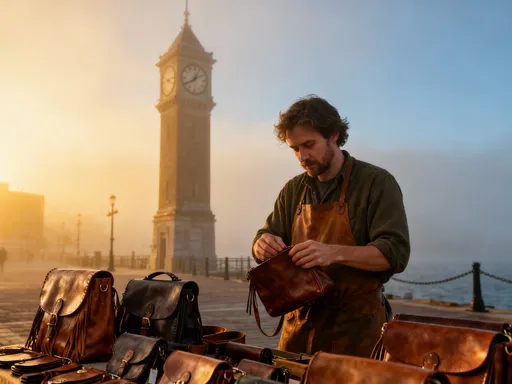
Beyond permanent galleries and institutions, San Juan’s art scene comes alive in its temporary markets and pop-up events. These gatherings bring together makers of all kinds—painters, jewelers, textile artists, potters, and woodworkers—in vibrant, festive settings. Held mostly on weekends, they transform parking lots, plazas, and waterfront areas into bustling creative bazaars. The atmosphere is joyful and communal, often accompanied by live music, food stalls, and children’s activities. For travelers, these markets offer a chance to meet artists face-to-face, see their process, and take home truly unique souvenirs.
One of the most popular is the Plaza del Mercado de Santurce, which hosts a weekly artisan market every Saturday morning. Vendors set up colorful tents along the plaza, displaying hand-painted tiles, embroidered linens, beaded necklaces, and miniature canvases. Prices are generally fair, and many artists accept credit cards or mobile payments. Bargaining is not customary, so it’s best to pay the listed price as a sign of respect for the labor involved. If you’re unsure about a piece, ask the artist about its inspiration—most are eager to share, and these conversations often lead to a deeper appreciation of the work.
Another highlight is the ConCéntrico event, a monthly urban festival that activates multiple blocks in Santurce with art, design, and performance. What began as a small neighborhood initiative now draws thousands, featuring everything from fashion shows to poetry readings. Pop-up galleries appear in vacant storefronts, turning unused spaces into temporary exhibition halls. Some artists even offer mini-workshops, allowing visitors to try screen printing or mask-making. Because the event rotates themes monthly—from sustainability to Afro-Caribbean identity—there’s always something new to discover. Checking the official tourism website or local event boards can help you time your visit to coincide with these lively happenings.
Supporting artists at these markets does more than yield beautiful keepsakes—it strengthens the local economy and encourages cultural continuity. When you buy directly from a maker, your money goes straight into their hands, often funding materials for future projects or helping them mentor younger artists. Look for pieces that reflect personal vision rather than mass-produced motifs. A painting with visible brushstrokes, a necklace with irregular beadwork, or a clay bowl with slight asymmetry—all these imperfections speak to human touch and intention. By choosing authenticity over uniformity, you become part of a larger movement to preserve Puerto Rico’s creative soul.
Getting Around: Smart Moves for Art-Focused Travelers
Navigating San Juan with an art-centric itinerary requires some planning, but the rewards far outweigh the effort. The city is compact enough to explore largely on foot, especially when focusing on walkable neighborhoods like Old San Juan and central Santurce. Wearing lightweight, breathable clothing and supportive shoes is essential, as the tropical climate and uneven terrain can be taxing. Mornings are ideal for gallery visits and outdoor murals, when light is soft and temperatures are cooler. Afternoons can be reserved for indoor museums or shaded cafés where you can rest and reflect.
For longer distances, ride-sharing services like Uber and Lyft operate reliably and affordably throughout the metro area. They’re especially useful when traveling between Old San Juan and Santurce, a journey of about 15–20 minutes depending on traffic. Public transportation, including the Metrobus and Tren Urbano (light rail), is available and economical, though less frequent and not always optimized for tourist routes. If you’re comfortable navigating schedules, it can be a rewarding way to experience daily life alongside locals. Biking is another option, with dedicated lanes appearing in recent years, though humidity and hilly sections may limit comfort for some.
To maximize your time, consider mapping out an art trail in advance. Group nearby attractions—say, three galleries within a few blocks—into single outings to minimize transit. Apps like Google Maps allow you to save custom routes and check real-time walking times. Many hotels and visitor centers also offer printed art maps highlighting key locations. Don’t overpack your schedule; two to three meaningful stops per day allow for deeper engagement without fatigue. Remember to factor in hydration breaks, sunscreen application, and midday downtime to avoid burnout.
Safety is generally not a concern in the main tourist and art districts, especially during daylight hours. However, it’s wise to stay aware of your surroundings, keep valuables secure, and avoid poorly lit areas at night. Most art venues are located in active, well-trafficked zones, contributing to a sense of security. If attending evening events like gallery openings or festivals, stick to familiar routes or use trusted transportation. With thoughtful planning, your journey through San Juan’s art landscape can be as smooth as it is inspiring.
Why These Spaces Deserve Your Attention—And Respect
At their core, San Juan’s art spaces are more than attractions—they are acts of resilience, identity, and connection. Each mural, gallery, and market stall represents not just aesthetic choice, but a declaration of presence and purpose. For Puerto Ricans, art has long been a tool for expressing joy, processing grief, and asserting cultural pride, especially in the face of challenges. When visitors engage with these works, they’re not merely observing—they’re participating in a living conversation. That privilege comes with responsibility: to look closely, listen humbly, and support authentically.
Tourism has the power to uplift or overwhelm creative communities. When travelers treat art as disposable content for social media, they risk reducing profound expressions to mere backdrops. But when they approach with curiosity and care—asking questions, crediting artists, purchasing thoughtfully—they become allies in cultural preservation. A simple “thank you” spoken in broken Spanish, a shared laugh over a painting’s hidden detail, or the decision to carry home a locally made print instead of a factory-made trinket—these small actions accumulate into meaningful impact.
Ultimately, art in San Juan is a bridge—one that connects past and present, island and visitor, individual and community. It invites us to see beyond the postcard version of paradise and recognize the depth, complexity, and beauty of everyday life here. By seeking out these hidden spots, you’re not just enhancing your trip—you’re honoring the people who keep the culture alive. So walk slowly. Look up. Listen. Let the colors, textures, and stories speak to you. And when you leave, carry not just memories, but a deeper understanding of Puerto Rico’s heart, painted boldly for all to see.