This Is Why Halifax’s Hidden Gems Are Pure Instagram Magic
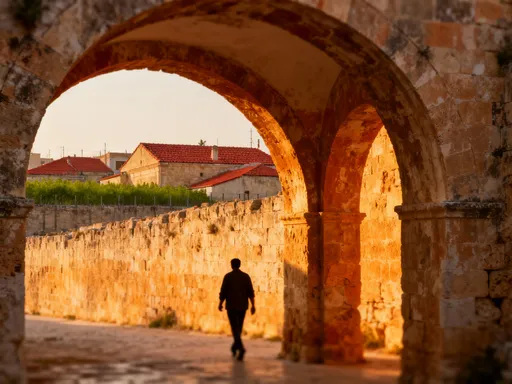
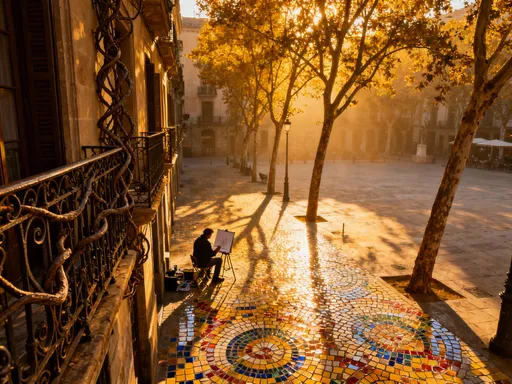
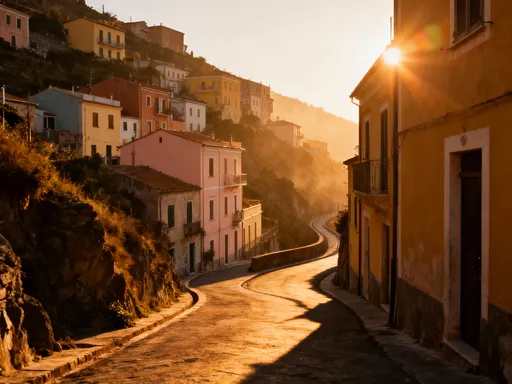
You know that feeling when you stumble upon a place so vibrant, so full of character, you can’t help but pull out your phone? That was me in Halifax. Between the cobblestone streets, colorful murals, and seaside charm, every corner felt like a curated photo op. But what truly stole the show were the city’s specialty products—handcrafted, local, and incredibly photogenic. This is not just travel—it’s storytelling through your lens. From the soft glow of morning light on historic stone walls to the rich textures of artisan wool scarves draped over market stalls, Halifax offers a visual language all its own. It’s a city where beauty isn’t staged; it’s lived. And for those who love to capture life in frames, Halifax is nothing short of magic.
First Impressions: Stepping Into a Coastal Postcard
Arriving in Halifax feels like stepping into a coastal postcard carefully composed over time. The city unfolds gently, not with the jarring energy of a metropolis, but with the rhythm of tides and the quiet confidence of maritime tradition. As the ferry glides toward the downtown terminal, the skyline reveals itself—old brick warehouses converted into boutiques, modern glass buildings reflecting the harbor, and the ever-present masts of sailboats bobbing in the water. The air carries a crisp saltiness, invigorating and familiar, especially to those who grew up near the sea. This is a city that doesn’t shout for attention but earns it through subtlety and charm.
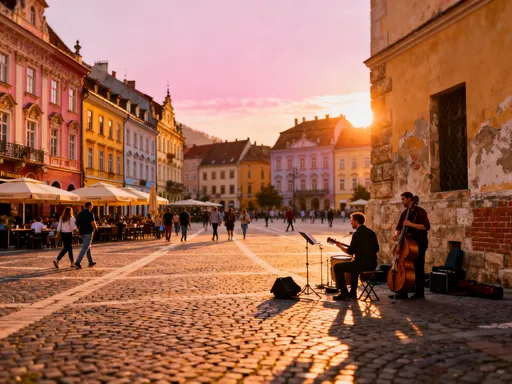
The golden hour in Halifax is nothing short of cinematic. As the sun dips behind Citadel Hill, the stone facades of downtown buildings warm into honeyed hues, and the water shimmers with streaks of gold and rose. It’s during these moments that the city feels most alive to photographers and content creators. Unlike destinations that rely on neon or grand monuments, Halifax thrives on natural light and authentic textures. The lack of visual clutter makes it ideal for clean, compelling compositions. There are no forced angles or crowded viewpoints—just organic beauty that invites you to pause, observe, and capture.
What sets Halifax apart is its balance of heritage and contemporary creativity. The city honors its past without being trapped by it. You’ll find centuries-old buildings housing modern art galleries or boutique cafés with Scandinavian-inspired interiors. This blend allows for a dynamic visual narrative—where history and innovation coexist in harmony. For the thoughtful traveler, especially one who values storytelling through photography, Halifax offers a rare opportunity: the chance to document a place that feels both timeless and refreshingly current.
The Heart of the City: Historic Sites with a Photogenic Edge
Halifax’s historic landmarks are not just relics of the past—they are living stages for visual storytelling. The Halifax Citadel, perched atop Citadel Hill, is one of the most photographed sites in the city, and for good reason. Its star-shaped fortifications, original cannons, and uniformed reenactors offer a vivid glimpse into 19th-century military life. But beyond the textbook history, the site delivers quiet moments of photographic brilliance. Imagine the morning fog curling over the ramparts, softening the edges of the stone walls, or autumn leaves swirling around the sentry boxes in a blaze of red and gold. These are the kinds of scenes that don’t just document a place—they evoke a mood.
Government House, the official residence of the Lieutenant Governor, presents another elegant opportunity for imagery. Set within manicured gardens and shaded by towering trees, the Georgian-style mansion radiates quiet dignity. Early risers can capture the play of light across its white columns and black shutters, or focus on smaller details like dew on rose petals or a gardener tending to heirloom flowers. These quieter moments often resonate more deeply than grand panoramas, especially on platforms like Instagram, where authenticity is prized over perfection.
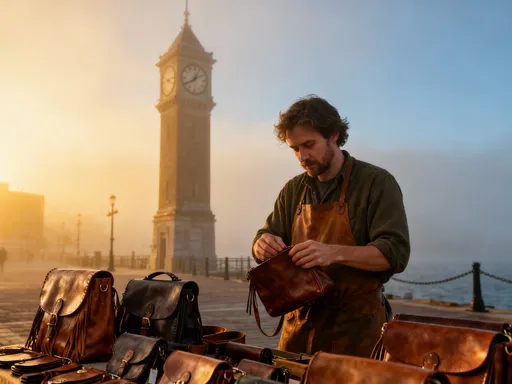
Even the city’s most iconic waterfront clock tower, a symbol of Halifax’s resilience since 1803, gains new life when framed within the context of daily life. Instead of a standalone shot, consider photographing it behind a vendor selling hand-stamped leather journals or a street musician tuning a fiddle. These layered compositions tell richer stories—where history isn’t frozen, but woven into the present. The specialty crafts sold nearby aren’t just souvenirs; they’re extensions of the city’s narrative, making them both meaningful and highly shareable.
Art Meets Commerce: Murals and Maker Markets
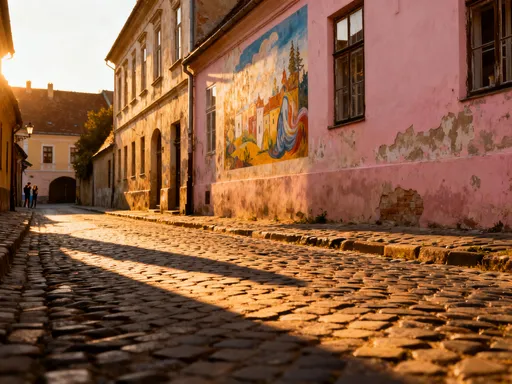
Halifax’s streets have become open-air galleries, where art and community intersect in vibrant, unexpected ways. The city’s mural scene has grown steadily, transforming blank walls into powerful statements of identity, culture, and creativity. In neighborhoods like the Hydrostone District and Gottingen Street, large-scale murals depict everything from maritime legends to abstract interpretations of ocean currents. These aren’t static images—they evolve. Some murals are temporary, part of annual festivals like Nocturne Art at Night, while others have become permanent landmarks. For photographers, they offer bold backdrops that demand attention without overwhelming the subject.
But the artistry doesn’t stop at walls. Every weekend, maker markets across the city bring local talent into the spotlight. At the Halifax Seaport Farmers' Market or the Alderney Landing Market in Dartmouth, artisans display handcrafted goods that reflect the region’s natural abundance and cultural heritage. Think sea-salt candles poured into recycled glass jars, hand-dyed wool scarves in deep ocean blues and stormy grays, or small-batch maple chocolates dusted with edible gold. These items aren’t mass-produced—they carry the imprint of the maker, often with stories shared over the counter.
For Instagram content, these markets are goldmines. Flat lays of stacked ceramics, slow-motion reels of a potter shaping clay, or close-ups of ink being stamped onto leather—all of these visuals perform exceptionally well because they combine texture, color, and narrative. Unlike generic souvenirs, these specialty products invite engagement. A photo of a hand-thrown mug isn’t just about the object; it’s about the craftsperson who made it, the local clay used, and the tradition behind it. This depth transforms a simple image into a conversation starter, aligning perfectly with the values of mindful travel and conscious consumption.
Taste the View: Cafés and Specialty Eats Worth Capturing
In Halifax, coffee culture is as much about aesthetics as it is about flavor. Independent cafés like Java Blend and Kafé Kuba have mastered the art of the photogenic brew. Their spaces are designed with intention—terrazzo tables, hanging pothos plants, minimalist shelving displaying local ceramics. But what truly sets them apart is their commitment to local sourcing. Beans are roasted in nearby communities, milk comes from regional dairies, and pastries are often made in-house using seasonal ingredients. The result? A cup of coffee that tastes good and looks even better.
And then there’s the food—the kind that makes you want to snap a photo before taking a bite. Halifax’s culinary scene is deeply rooted in its coastal identity. A lobster roll served on a buttered brioche bun, drizzled with lemon aioli and sprinkled with chives, is a feast for both palate and camera. Blueberry grunt, a traditional Maritime dessert of stewed berries topped with dumplings, arrives steaming in a cast-iron pot, its rustic charm translating beautifully into warm-toned imagery. Even simple snacks like seaweed-seasoned popcorn or dulse chips offer a burst of color and texture, perfect for snack flat lays or quick TikTok-style videos.
These aren’t just meals—they’re edible content. They tell the story of a region that values freshness, seasonality, and tradition. When you photograph a dish at a local café, you’re not just showcasing food; you’re highlighting a culture of care. The barista who remembers your order, the chef who sources lobster from a family-run wharf, the baker who uses heritage grain—these human connections add depth to every image. And in an era where audiences crave authenticity, that depth is everything.
Coastal Aesthetics: Beaches and Seascapes for the Perfect Shot
While Peggy’s Cove draws crowds with its iconic lighthouse, Halifax offers quieter, equally stunning coastal escapes for those seeking solitude and serenity. Lawrencetown Beach, with its long stretch of golden sand and consistent surf, is a favorite among locals. At sunrise, the scene is almost meditative—waves rolling in under a pale pink sky, kayakers paddling in silhouette, and the occasional dog bounding through the foam. The raw, untamed beauty here is ideal for moody, atmospheric photography, especially when paired with natural textures like driftwood, smooth stones, or wet sand reflecting the sky.
Crystal Crescent Provincial Park, just a short drive from the city, offers a similar sense of peace. Its three connected beaches are framed by spruce forests and granite outcrops, creating a rugged, postcard-perfect landscape. Tide pools teem with life—tiny crabs, sea stars, and anemones—offering macro photography opportunities that feel both intimate and wondrous. These natural details, often overlooked, can become the most compelling parts of a visual story. A single close-up of a barnacle-covered rock or a jellyfish glowing in shallow water can evoke the entire spirit of the coast.
Near these shores, small studios and cottage industries thrive. Artisans create ocean-inspired ceramics—mugs with wave-like glazes, plates painted with seabirds, vases shaped like tidal pools. Others knit fisherman sweaters using traditional patterns passed down through generations. These crafts aren’t just decorative; they’re born from a deep relationship with the sea. When you photograph a hand-knit sweater draped over a driftwood log or a ceramic bowl filled with sea glass, you’re creating layered content—where nature and human creativity converge. These images don’t just look good; they feel meaningful.
Behind the Lens: Tips for Capturing Authentic Moments
The most powerful photos from Halifax aren’t the ones with perfect lighting or flawless composition—they’re the ones that capture a feeling. It might be steam rising from a mug held by a fisherman at dawn, the crinkles around a vendor’s eyes as she laughs at a customer’s joke, or the quiet concentration of a potter shaping clay on a wheel. These fleeting, unguarded moments are what make travel photography resonate. They remind us that beauty isn’t about perfection; it’s about presence.
To capture these moments, timing and technique matter. The shoulder hours—just after sunrise and before sunset—offer the softest, most flattering light. During these times, shadows are gentle, and colors are rich without being harsh. Natural light should be your primary tool; avoid flash, which can flatten textures and create unnatural highlights. Instead, position your subject near windows, under tree canopies, or in open shade to achieve a balanced, organic look.
Pay attention to textures. Halifax is a city of contrasts—rough stone against smooth glass, woven wool against polished wood, cold metal against warm skin. Close-up shots that emphasize these tactile differences add depth and interest to your feed. A macro lens or even a smartphone with a good close-focus mode can reveal details that go unnoticed at first glance: the grain of handmade paper, the flecks in a soap bar infused with local herbs, the weave of a linen apron in a bakery.
Finally, resist the urge to over-stage. Halifax’s charm lies in its authenticity. A neatly arranged flat lay is lovely, but so is a slightly messy market table with jars of honey, scattered recipe cards, and a half-drunk cup of tea. Let the environment guide your composition. When you allow the place to speak for itself, your photos become less about control and more about discovery—just like the best kind of travel.
Why It Matters: Travel That Tells a Story
In an age where social media feeds are saturated with polished, repetitive content, Halifax stands out by offering something deeper—a sense of place that can’t be replicated. Every photo taken here has the potential to do more than look beautiful; it can carry meaning. That shot of a hand-bound journal? It supports a local writer. The image of a ceramic mug? It honors a craftsperson’s skill. The video of a fisherman hauling in a net? It preserves a way of life.
When we choose to highlight Halifax’s specialty products and hidden corners, we’re not just creating content—we’re contributing to a more sustainable, respectful form of tourism. We’re shifting the focus from consumption to connection, from spectacle to story. This kind of travel photography has the power to inspire others to look closer, stay longer, and care more. It encourages people to seek out the small bakeries, the family-run galleries, the quiet beaches—places that thrive on attention but don’t depend on crowds.
Ultimately, the best Instagram moments aren’t taken—they’re discovered. They happen when we slow down, listen, and allow a place to reveal itself. Halifax doesn’t need filters or gimmicks. Its magic is real, rooted in the daily lives of its people and the enduring beauty of its coastline. For the thoughtful traveler, the one who values both aesthetics and authenticity, Halifax is a gift. It’s a reminder that the most powerful stories aren’t the loudest—they’re the ones whispered in quiet moments, waiting to be seen.