You Gotta See These Hidden Art Gems in Sibiu
Sibiu isn’t just cobbled streets and fairy-tale roofs—its soul lives in the art spaces tucked behind unassuming doors. I went looking for culture and found myself face-to-face with bold murals, intimate galleries, and studios where creativity spills into the streets. This city surprised me with how much artistic energy it holds, blending tradition and modernity seamlessly. If you’re into authentic, under-the-radar art scenes, Sibiu delivers—no pretension, just passion. Let me show you the spots that made my trip unforgettable.
Arrival in Sibiu: First Impressions of a Cultural Hub
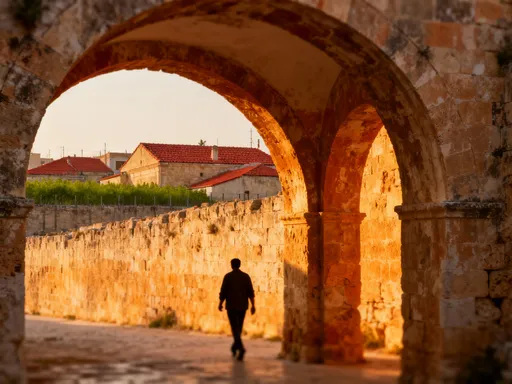
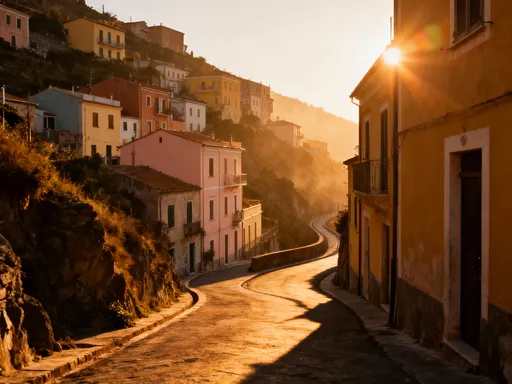
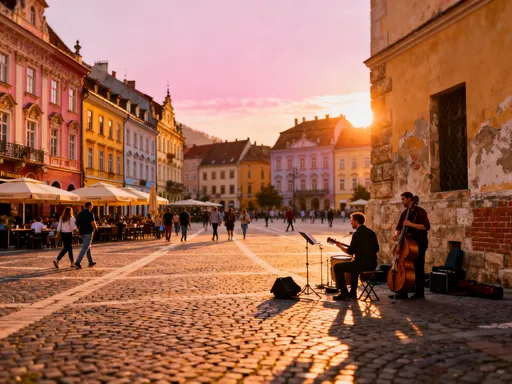
Stepping into Sibiu feels like entering a living postcard, yet one that breathes with contemporary rhythm. The city welcomes visitors with its impeccably preserved medieval center, where pastel-hued houses lean gently over cobblestone lanes and the distant chime of church bells echoes through the morning air. But beyond the architectural charm lies a quieter, more enduring pulse—that of a city deeply invested in culture. Unlike other Eastern European destinations that lean heavily on tourism, Sibiu maintains a graceful balance between accessibility and authenticity. Its walkable core makes exploration effortless, with most cultural landmarks within a 20-minute stroll from the main square, Piata Mare.
What sets Sibiu apart is its reputation as a cultural beacon in Romania. Designated a European Capital of Culture in 2007, the city used that momentum to invest in its artistic infrastructure, transforming old buildings into vibrant exhibition spaces and supporting local creatives. The atmosphere is welcoming without being overwhelming; English is widely spoken in museums and cafés, and signage is often bilingual. For travelers unfamiliar with Romanian, this linguistic ease removes a common barrier, allowing more focus on the experience itself. Whether arriving by train from Bucharest or by bus from Brasov, the transition into the city center is smooth, with clear directions and helpful staff at transit points.
First-time visitors often note how Sibiu feels both historic and alive. The city doesn’t treat its past as a museum piece but as a foundation for ongoing expression. This is evident in the subtle artistic touches scattered throughout the old town—a painted door here, a sculptural bench there, or a pop-up art display in an alleyway. These details suggest a community that values creativity not as an elite pursuit but as part of everyday life. For families and solo travelers alike, particularly women aged 30 to 55 who seek meaningful, enriching experiences, Sibiu offers a rare combination of safety, beauty, and cultural depth. It invites slow exploration, rewarding those who take the time to look beyond the surface.
The Brukenthal Museum: Where Classical Art Meets History
At the heart of Sibiu’s artistic legacy stands the Brukenthal Museum, housed in an elegant 18th-century baroque palace that once belonged to Samuel von Brukenthal, a Habsburg governor and passionate art collector. This grand building, with its symmetrical façade and manicured courtyard, is more than an architectural gem—it is a living archive of European fine art. The museum’s collection spans centuries, offering a refined journey through German, Flemish, Austrian, and Italian masterpieces. Walking through its gilded halls, one encounters delicate oil paintings of noble portraits, intricate religious scenes, and landscapes rendered with meticulous detail, each piece reflecting the tastes and values of its time.
Among the highlights are works by artists such as Martin Johann Schmidt and Franz Anton Maulbertsch, whose dramatic use of light and motion exemplify the baroque and rococo styles. The museum also features a remarkable collection of decorative arts, including porcelain, clocks, and period furniture, which enrich the visitor’s understanding of 18th-century courtly life. What makes the Brukenthal especially compelling is its ability to educate without overwhelming. Informative placards are available in English, and the layout encourages a natural flow from one gallery to the next. For those interested in art history, guided tours are offered daily and led by knowledgeable staff who bring the stories behind the paintings to life.
Practical considerations enhance the experience. The museum is open Tuesday through Sunday, with extended hours during summer months. Tickets can be purchased individually or as part of a joint pass that includes other city museums, offering excellent value. To avoid crowds, it’s best to visit early in the morning or on weekday afternoons, when the space feels more intimate and contemplative. Families will appreciate the museum’s welcoming attitude toward children, with special activity sheets available to engage younger visitors. For adult women traveling solo or with friends, the Brukenthal provides a serene, intellectually stimulating environment—a peaceful retreat from the bustle of the streets outside.
Contemporary Vibes at the Sibiu Art Museum (Muzeul de Artă)
Just a short walk from the Brukenthal, the Sibiu Art Museum offers a striking contrast—a celebration of Romanian artistic identity through modern and contemporary works. Housed in a neoclassical building that once served as a school, the museum bridges historical architecture and expressive 19th- and 20th-century art. Here, the focus shifts from European aristocracy to national soul, with paintings that capture the Romanian countryside, rural life, and the emotional depth of its people. The collection features seminal figures such as Nicolae Grigorescu, often regarded as the father of modern Romanian painting, whose impressionistic landscapes convey both light and longing.
Another standout is Ștefan Luchian, whose delicate floral compositions and introspective self-portraits reflect a deeply personal artistic journey. His works, rendered with sensitivity and subtle color palettes, resonate with visitors who appreciate emotional authenticity in art. The museum also showcases pieces by Theodor Aman and Ion Andreescu, each contributing to a broader narrative of how Romanian artists navigated influence from Western Europe while forging a distinct visual language. The interplay between the formal structure of the building and the expressive freedom of the artworks creates a dynamic tension that feels both respectful and revolutionary.
Visitors often remark on the museum’s intimate scale, which allows for close engagement with the pieces. Unlike larger institutions where crowds can be distracting, the Sibiu Art Museum encourages quiet contemplation. Temporary exhibitions frequently highlight emerging Romanian artists or thematic explorations such as “Women in Romanian Art” or “Nature and Nation,” adding freshness to repeat visits. English descriptions accompany most displays, and audio guides are available for deeper insight. The museum is open Wednesday through Monday, and entry is affordable, making it accessible to all. For travelers interested in understanding Romania’s cultural heart, this space is indispensable.
Street Art & Urban Expression: Murals That Tell Stories
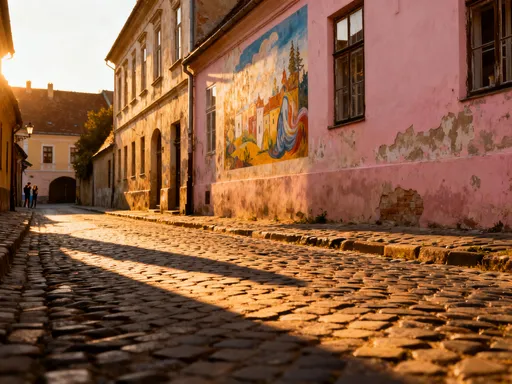
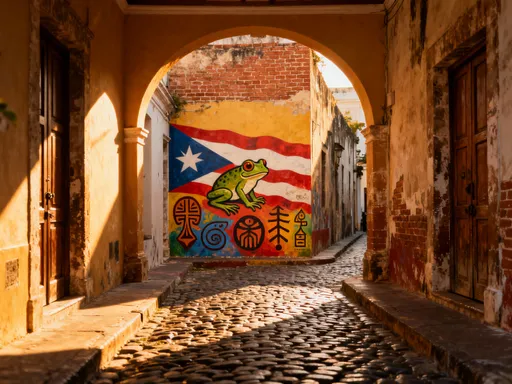
While Sibiu’s museums preserve art in curated settings, its streets have become canvases for a new generation of expression. In recent years, the city has embraced street art as a legitimate form of cultural dialogue, commissioning murals that reflect social themes, historical memory, and local identity. These works are not confined to hidden alleys but are proudly displayed on building facades in neighborhoods just beyond the tourist center. One notable piece, located on the outer wall of an old factory in the Dumbrăvii district, depicts a woman weaving a tapestry of Sibiu’s landmarks, symbolizing the interconnection of past and present. The vibrant colors and intricate details draw passersby into a visual narrative that is both personal and collective.
Another powerful mural, near the Central Park entrance, portrays a child holding a key made of light, with the words “Deschide închisoarea minţii” (“Open the prison of the mind”) inscribed below. Created during a public art festival, this piece speaks to themes of freedom, education, and self-discovery—messages that resonate universally, especially with women navigating personal growth and empowerment. These murals are not merely decorative; they invite reflection and conversation. They represent a city that values not only preservation but also progress, where art is used to inspire and challenge.
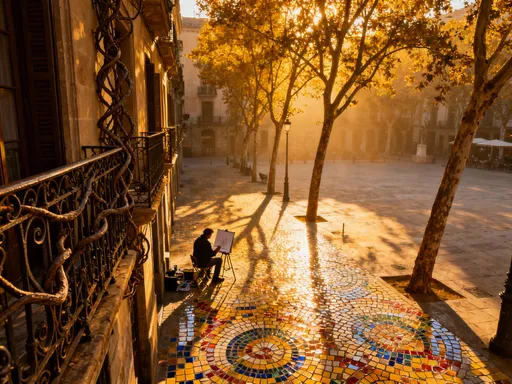
For travelers eager to explore this open-air gallery, a self-guided walking route can begin at the Lower Square, moving through the pedestrian-friendly lanes toward the Lutheran Cathedral, then branching into the less-trafficked streets of the Sub Arini neighborhood. Local tourism offices offer free maps highlighting street art locations, and some guesthouses provide QR codes that link to artist interviews and background stories. The best time to view these works is in the late afternoon, when the sunlight enhances the colors and the city’s pace slows. Photography is encouraged, and many visitors find joy in capturing not just the murals but the everyday life unfolding around them—a cat on a windowsill, a vendor arranging flowers, a grandmother watching from her balcony.
Hidden Studios and Artist Ateliers: Meeting the Makers
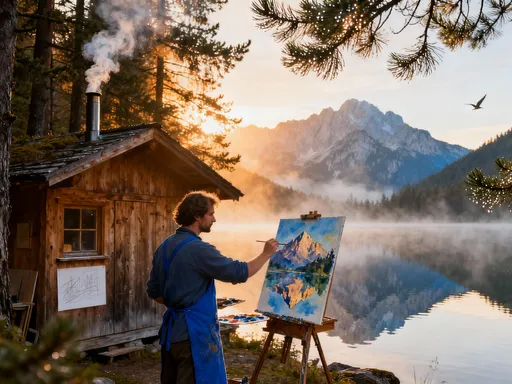
Beyond galleries and murals, Sibiu’s true artistic magic often unfolds behind unmarked doors—in small studios where painters, sculptors, and ceramicists work in quiet dedication. These ateliers, tucked into old townhouses or repurposed workshops, are rarely advertised but can be discovered through local networks, cultural events, or word of mouth. Some open their doors during the annual Sibiu Art Week, when artists across the city invite the public into their creative spaces. For visitors, this is a rare opportunity to witness the artistic process firsthand—to see brushes dipped in paint, clay shaped on a wheel, or sketches pinned to a studio wall.
One such studio, located in a 19th-century building near the Council Tower, belongs to a local painter who specializes in textured landscapes using natural pigments and recycled materials. During a visit, she explained how her work is inspired by Transylvania’s forests and seasons, each piece evolving over weeks as layers build and settle. Her studio, filled with jars of earth-toned powders and half-finished canvases, felt more like a sanctuary than a workplace. Another atelier, run by a mother-daughter duo, focuses on hand-thrown ceramics adorned with traditional Romanian motifs reinterpreted in modern forms. They occasionally offer short workshops where guests can try their hand at the potter’s wheel, an experience that is both grounding and joyful.
Engaging with these artists requires respect and openness. It’s best to contact them in advance if possible, or visit during scheduled open hours. Many appreciate genuine interest and are happy to share their stories, especially when visitors ask thoughtful questions. For women travelers seeking connection and inspiration, these encounters can be deeply moving—a reminder that creativity thrives in quiet corners, nurtured by patience and passion. Purchasing a small piece, whether a postcard, a mug, or a painting, supports local art and brings a meaningful souvenir home.
Cultural Spaces That Double as Cafés & Hangouts
In Sibiu, art doesn’t always reside in formal institutions—it flows through cafés, bookshops, and community centers where culture and daily life intertwine. These hybrid spaces offer a relaxed way to experience creativity without the formality of a museum visit. One beloved example is a café-gallery in the historic center that rotates exhibitions every six weeks, featuring local photographers, illustrators, and textile artists. Patrons sip coffee beneath large-format prints of misty Carpathian mornings or embroidered folk patterns, the atmosphere warm and inviting. The menu includes organic teas and homemade cakes, making it an ideal spot for a midday pause.
Another popular venue is a bookshop that doubles as an exhibition space and event hub. Wooden shelves hold volumes on Romanian history, poetry, and art, while the back room hosts weekly readings, small concerts, and artist talks. The owner, a former literature professor, curates the space with care, ensuring that every element—from the furniture to the playlist—enhances the sense of calm and curiosity. These spaces are particularly appealing to women who value both intellectual stimulation and emotional comfort. They provide safe, welcoming environments where one can sit for hours with a journal, meet a local, or simply observe the gentle rhythm of urban life.
Many of these venues are affordable or free to enter, with no pressure to purchase. They are also highly photogenic, offering natural light, textured walls, and carefully arranged displays that make for beautiful, authentic travel photos. Some even offer small art supplies for children, making them family-friendly. By supporting these spaces, visitors contribute to a cultural ecosystem that values accessibility and community. They represent a model of sustainable tourism, where art is not a commodity but a shared experience.
Planning Your Art-Focused Visit: Timing, Access, and Local Insight
To fully appreciate Sibiu’s artistic offerings, careful planning enhances the experience without diminishing spontaneity. The best time to visit is between May and October, when the weather is mild and the city hosts its most vibrant cultural events. The Sibiu International Theatre Festival in June transforms the entire city into a stage, with performances in squares, courtyards, and even museums. During this period, many art studios and galleries extend their hours, and special guided tours are available. However, booking accommodations in advance is essential, as the city fills quickly. For those seeking a quieter experience, late September and early October offer pleasant temperatures and fewer crowds, with the added beauty of autumn colors in the surrounding hills.
A suggested two-day itinerary could begin with a morning visit to the Brukenthal Museum, followed by lunch at a café-gallery in the old town. The afternoon could be dedicated to a self-guided street art walk, ending at the Sibiu Art Museum. On the second day, travelers might explore artist ateliers in the Sub Arini area, attend a workshop, and conclude with an evening at a cultural bookshop or live music event. Accommodations near Piata Mare or the Lower Square provide excellent access to all major sites, with many guesthouses run by artists or art enthusiasts who offer personalized recommendations.
Transportation within the city is straightforward—walking is the best option, but bike rentals and local buses are available. For those arriving from abroad, Sibiu International Airport is well-connected to major European hubs, and the train station offers comfortable links to other Romanian cities. When visiting studios or small galleries, a few etiquette tips enhance the experience: always ask before photographing artists at work, speak softly in exhibition spaces, and support creators by purchasing their work when possible. Most importantly, approach Sibiu with curiosity and openness—its art scene thrives not on spectacle, but on connection.
Sibiu’s art spaces offer more than aesthetic pleasure—they reflect resilience, identity, and quiet innovation. In a world where travel often leans toward the commercial, this city stands as a model of meaningful, accessible cultural tourism. Its galleries, murals, and studios invite visitors to look beyond postcard views and seek out authentic creative encounters. For women who value depth, beauty, and human connection, Sibiu delivers a journey that lingers long after the trip ends. Let your curiosity lead you through its lanes, and you’ll find that the true art of Sibiu is not just on the walls—it’s in the spirit of the place itself.