Winter Camp Costs Rising? How Experts See the Education Spending Shift
Every year, more families feel the pinch when signing kids up for winter camp. What used to be a simple seasonal expense is now part of a much bigger trend in education spending. As costs climb and offerings evolve, smart financial planning is no longer optional—it’s essential. I’ve watched this shift unfold closely, and the way parents approach these expenses is changing fast. This isn’t just about one trip; it’s about long-term strategy, value judgment, and financial foresight. What was once a modest line item on a holiday budget now requires careful consideration, comparison, and sometimes compromise. Behind the rising price tags are deeper changes in how families view education, development, and opportunity. Understanding this shift isn’t just about saving money—it’s about making choices that align with both financial stability and children’s growth.
The Growing Price Tag of Winter Camps
Winter camps have evolved dramatically over the past decade, transforming from modest after-school programs into structured, curriculum-driven experiences that resemble formal education more than seasonal recreation. What once cost a few hundred dollars now often exceeds a thousand for a single week, with some specialized programs charging several thousand. This steep increase reflects a broader transformation in the education landscape, where enrichment during school breaks is no longer seen as optional but as a vital part of a child’s development. Providers have responded by expanding offerings to include robotics, coding, language immersion, and leadership training—areas that demand skilled instructors, advanced materials, and secure, well-equipped facilities. These enhancements come at a cost, and those costs are passed on to families.
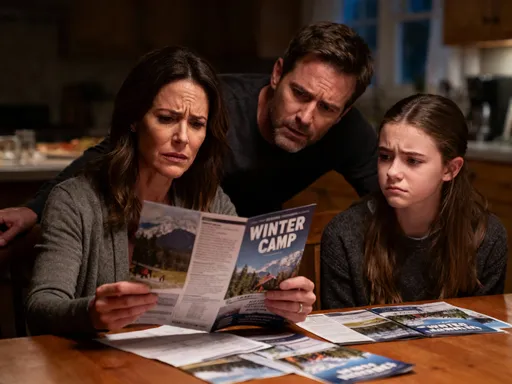
The shift is especially evident in urban and suburban areas, where competition among programs has led to a kind of educational arms race. Camps now market themselves not just on fun or convenience, but on outcomes—college readiness, confidence building, and skill mastery. Brochures highlight partnerships with universities, certifications from professional organizations, and alumni success stories. While these features add legitimacy, they also justify premium pricing. Some winter camps now operate year-round as enrichment centers, further blurring the line between seasonal activity and ongoing educational investment. For many parents, the decision to enroll is no longer about whether their child will enjoy the experience, but whether the long-term benefits justify the financial commitment.
This change mirrors what has already happened with summer camps, where elite programs have long commanded high fees. However, winter camps are catching up quickly, partly because of increased demand during shorter school breaks. With only a week or two off, parents are more likely to seek out intensive, results-oriented programs rather than casual play-based options. This preference for quality and measurable progress has driven providers to professionalize their operations, which in turn raises costs. Additionally, many of these programs are now located in high-rent districts or on private school campuses, further increasing overhead. As a result, families face a new reality: winter camp is no longer a low-cost holiday diversion, but a significant financial decision that requires the same level of scrutiny as other major household expenses.
Why Education Expenses Are Shifting
The rising cost of winter camps is not an isolated phenomenon but part of a national trend in how families allocate resources toward education. Parents today are more invested than ever in their children’s academic and personal development, and they view extracurricular activities as essential extensions of classroom learning. This mindset has reshaped spending priorities, with many households now treating enrichment programs as non-negotiable line items in their annual budgets. The belief is that early exposure to advanced skills—whether in technology, public speaking, or the arts—can have a lasting impact on a child’s confidence, performance, and future opportunities. This perception has created strong demand, which providers are eager to meet with increasingly sophisticated offerings.
At the same time, broader economic factors are contributing to the upward pressure on prices. Inflation has affected every aspect of program operations, from staff wages to facility maintenance and supply costs. Many camps rely on certified educators or industry professionals who command higher pay, especially for short-term, intensive roles. Insurance, licensing, and compliance with safety regulations also add to the financial burden. These operational costs are unavoidable, and as they rise, so do the fees passed on to families. Unlike public school programs, most winter camps operate without government subsidies, meaning they must cover all expenses through tuition alone. This financial model leaves little room for cost absorption, making price increases inevitable.
Another factor driving the shift is the growing emphasis on academic continuity. With concerns about learning loss during school breaks, many parents see winter camps as a way to maintain momentum. This is particularly true in subjects like math and reading, where skills can erode during extended time off. Programs that offer structured learning environments with measurable outcomes are especially appealing. As a result, camps that once focused on games and crafts now incorporate daily lessons, assessments, and progress reports—features that require planning, staffing, and materials. These academic enhancements elevate the perceived value of the experience, making parents more willing to pay higher prices. The result is a feedback loop: demand increases, programs improve, prices rise, and expectations grow—all reinforcing the idea that education must be continuous, intentional, and well-resourced.
The Hidden Financial Pressures on Families
While the benefits of high-quality winter camps are clear, the financial strain they place on families is often underestimated. Middle-income households, in particular, are finding it harder to balance these new educational expenses with other household priorities. What used to be a discretionary budget item—holiday travel, gifts, or seasonal entertainment—is now being redirected toward enrichment programs. Some parents report cutting back on family vacations or delaying home repairs to afford camp tuition. Others dip into emergency savings or use credit cards to cover the cost, introducing new financial risks. These trade-offs reveal a quiet but growing tension between aspiration and affordability, where the desire to provide the best for children collides with the reality of limited resources.
The pressure is especially acute for families with multiple children. Enrolling two or three kids in separate programs can quickly escalate costs into the thousands, even before transportation, meals, or equipment fees are factored in. Some parents face difficult choices: do they spread resources thin across several activities, or focus on one high-impact program? Others opt for shorter sessions or less expensive alternatives, even if they offer fewer benefits. These decisions are rarely made lightly. Behind each enrollment form is a calculation—sometimes emotional, sometimes practical—about what the family can afford without compromising long-term stability. Without a clear financial plan, these choices can lead to stress, debt, or regret.
Another hidden cost is the time and effort required to research and compare programs. Parents often spend hours reading reviews, attending open houses, and contacting past participants to assess quality. This labor-intensive process adds to the overall burden, especially for working parents who must balance these tasks with job responsibilities and daily caregiving. The lack of standardized pricing or transparent outcomes makes comparison difficult, leaving families vulnerable to marketing claims that may not reflect actual value. In some cases, parents discover too late that a program did not deliver as promised, resulting in both financial loss and missed opportunity. These experiences highlight the importance of financial preparedness—not just in terms of money, but in knowledge, planning, and realistic expectations.
Expert Strategies for Managing Winter Education Costs
Financial professionals emphasize that the best way to handle rising education costs is through proactive planning. One of the most effective strategies is to start saving months in advance, treating winter camp like any other predictable annual expense. Families who set aside a small amount each month—perhaps through an automatic transfer to a dedicated savings account—find they can cover the full cost without strain when the time comes. This approach not only reduces financial stress but also prevents the need for high-interest financing or last-minute budget cuts. Some banks even offer specialized education savings accounts that provide modest interest or tax advantages, adding an extra layer of benefit.
Another key strategy is to take advantage of early-bird discounts and sibling rates. Many camps offer reduced pricing for families who register several weeks or months ahead of the start date. These savings can add up quickly, especially for longer or more expensive programs. Similarly, some providers offer discounts for enrolling multiple children, which can significantly lower the per-child cost. Parents who plan early and compare options across different organizations often find these opportunities, while those who wait until the last minute may miss out. Staying informed through newsletters, social media, or parent networks can help families spot deals and avoid overpaying.
Experts also recommend integrating education expenses into the household’s annual budgeting cycle. Rather than treating them as one-off costs, families should forecast all anticipated enrichment spending—including summer camps, tutoring, and after-school programs—and allocate funds accordingly. This big-picture view helps prevent overspending in one area at the expense of another. It also allows for better decision-making, such as choosing a less expensive program this year to save for a more intensive one next year. Some financial advisors suggest creating a separate “education enrichment” category in the budget, with monthly contributions that build over time. This disciplined approach fosters financial control and ensures that children’s development is supported without jeopardizing the family’s overall stability.
Evaluating Value: What Makes a Camp Worth the Cost?
Not all winter camps deliver the same level of benefit, and paying more does not always mean getting more. Experts advise parents to look beyond glossy brochures and promotional videos to assess the real value of a program. Key indicators include instructor qualifications, class size, curriculum structure, and opportunities for individual feedback. Programs led by certified educators or professionals with relevant expertise are more likely to provide meaningful learning experiences. Smaller groups allow for personalized attention, increasing the chances that a child will progress and stay engaged. A well-organized curriculum with clear objectives and measurable outcomes is another sign of quality, as it suggests the program is designed with learning in mind, not just convenience or entertainment.
Parents should also consider the long-term benefits of participation. Does the camp build skills that will be useful in school or future activities? Does it foster confidence, collaboration, or problem-solving abilities? Programs that emphasize project-based learning—such as building a robot, creating a short film, or performing a science experiment—often provide deeper engagement than those focused on passive instruction. Similarly, camps that encourage peer interaction in structured ways can support social development, which is just as important as academic growth. Asking current or former participants about their experiences can provide honest insights that marketing materials may not reveal.
Another important factor is alignment with the child’s interests and learning style. A high-priced coding camp may be a poor fit for a child who thrives in creative or physical activities. Conversely, a performing arts program could be transformative for a shy child gaining confidence on stage. The best value comes not from the highest price tag, but from the right match between the child and the program. Taking the time to observe a session, speak with instructors, or review sample lesson plans can help parents make informed decisions. By focusing on outcomes rather than prestige, families can avoid overspending on programs that look impressive but deliver limited returns.
Risk Control in Education Spending
Like any financial decision, spending on education carries risks—particularly the risk of investing heavily without seeing the expected results. Families can protect themselves by setting clear spending limits based on their budget and sticking to them. This means resisting the pressure to enroll in the most expensive or exclusive program simply because it is popular. It also means being willing to say no when a program does not fit the family’s financial plan, even if peers are participating. Establishing a maximum price point in advance helps maintain discipline and prevents emotional spending.
Another important risk management strategy is to review refund and cancellation policies carefully. Some camps offer full or partial refunds if a child withdraws before a certain date, while others provide credit for future sessions. Understanding these terms before enrolling can prevent financial loss if plans change due to illness, scheduling conflicts, or dissatisfaction with the program. In some cases, providers offer trial days or half-week options, allowing families to assess the experience before committing to the full term. These flexible options reduce the financial risk of a poor fit and provide a safer way to explore new programs.
Diversifying enrichment activities across the year can also reduce dependency on any single program. Instead of putting all resources into one winter camp, families might spread investments across different seasons and formats—such as online courses, local workshops, or community-based clubs. This approach not only lowers financial exposure but also exposes children to a wider range of experiences. It also allows parents to test different options and identify what works best before making larger commitments. By treating education spending as a portfolio rather than a single bet, families can achieve better balance, reduce risk, and support more holistic development.
The Bigger Picture: Building Sustainable Education Habits
Looking ahead, the most effective way to manage rising education costs is to adopt a long-term, sustainable approach. Rather than reacting to each seasonal demand as it arises, families benefit from creating a comprehensive education funding plan. This plan should include forecasting all anticipated expenses, tracking actual spending, and adjusting priorities as children grow and their needs change. For example, a toddler’s playgroup has different costs and benefits than a teenager’s specialized training program. A flexible, forward-looking strategy allows families to anticipate these shifts and prepare accordingly.
Sustainable habits also involve regular review and reflection. At the end of each season, parents can assess which programs delivered real value and which did not meet expectations. This feedback loop helps refine future decisions and avoid repeating costly mistakes. It also encourages thoughtful spending rather than impulse enrollment. Over time, these practices lead to smarter choices, reduced financial stress, and better outcomes for children. What begins as a conversation about winter camp can evolve into a broader family philosophy about education, priorities, and money.
Ultimately, the goal is not to spend more, but to spend wisely. By combining financial discipline with careful evaluation, families can support their children’s growth without compromising their financial health. The rise in winter camp costs is a sign of changing times, but it also presents an opportunity—to think more deeply about what education means, what it’s worth, and how to achieve it in a way that lasts. With the right mindset and tools, parents can navigate this shift with confidence, ensuring that every dollar spent contributes to a stronger, more resilient future for their children.